How to Spot a Fake Invicta Watch: 5 Key Telltale Signs
Why Bother Faking an Affordable Watch?
It’s a question we hear all the time: “Why would anyone make a fake Invicta?” The common assumption is that counterfeiters only target ultra-luxury brands with five-figure price tags. While that market certainly exists, the real money in the counterfeit world is in volume. Invicta is one of the most popular watch brands in the world, known for its bold designs and accessible price points. That massive popularity makes it a prime target.
Counterfeiters aren't trying to fool collectors with a perfect one-to-one replica; they're trying to fool everyday buyers on sprawling online marketplaces. They produce thousands of cheap knockoffs that look plausible in a low-resolution photo, hoping to capitalize on the brand's name recognition. They prey on shoppers looking for a deal that’s just a little *too* good to be true. The truth is, fake Invictas absolutely exist, but arming yourself with a little knowledge is the best way to ensure you never end up with one.
Your 5-Point Checklist for Invicta Authentication
You don’t need to be a seasoned horologist with a jeweler's loupe to protect yourself. Counterfeiters rely on cutting corners, and these shortcuts are surprisingly easy to spot if you know where to look. By checking a few key physical and functional details, you can identify the vast majority of fakes before you ever risk your money. Think of this as your essential pre-flight checklist for buying an Invicta.
1. The Second Hand Test: Smoothness and Alignment
This is one of the quickest and most effective tests. On a genuine Invicta with a quartz movement (the most common type), the second hand should move with a distinct, confident 'tick' for each second. Crucially, it should land squarely on or very close to the second markers printed on the dial. On a fake Invicta, the cheap, low-grade movement inside will often betray itself. The second hand might stutter, appear to vibrate as it moves, or land awkwardly between the markers. This imprecision is a dead giveaway of an inferior mechanism that would never pass Invicta's quality control.
2. Bezel Action and Sound
Many Invicta watches, especially the iconic Pro Diver series, feature a rotating bezel. This is a functional component that counterfeiters often fail to replicate properly. On an authentic Invicta, rotating the bezel should be a satisfying tactile experience. It will produce a solid, audible click for each position, feel firm, and have little to no 'back play' (the wiggling between clicks). Counterfeits, on the other hand, almost always get this wrong. Their bezels often feel loose, gritty, or sandy when turned. They might spin freely with no clicks at all, or get stuck. This sloppiness indicates poor engineering and cheap parts, and it’s a massive red flag.
3. Lume Quality: The Glow-in-the-Dark Test
“Lume” is the shorthand for the luminescent material applied to a watch's hands and hour markers that allows them to glow in the dark. Invicta uses quality luminous compounds like Tritnite™ to ensure visibility in low light. To test it, simply 'charge' the watch by holding it under a bright light source (like your phone's flashlight) for about 30 seconds. A genuine Invicta will immediately produce a bright, clear, and evenly applied glow. A fake will often have lume that is weak, patchy, splotchy, and fades away very quickly, sometimes in less than a minute. This is a corner that counterfeiters almost always cut to save on costs.
4. The Devil in the Details: Logo Etching and Engraving
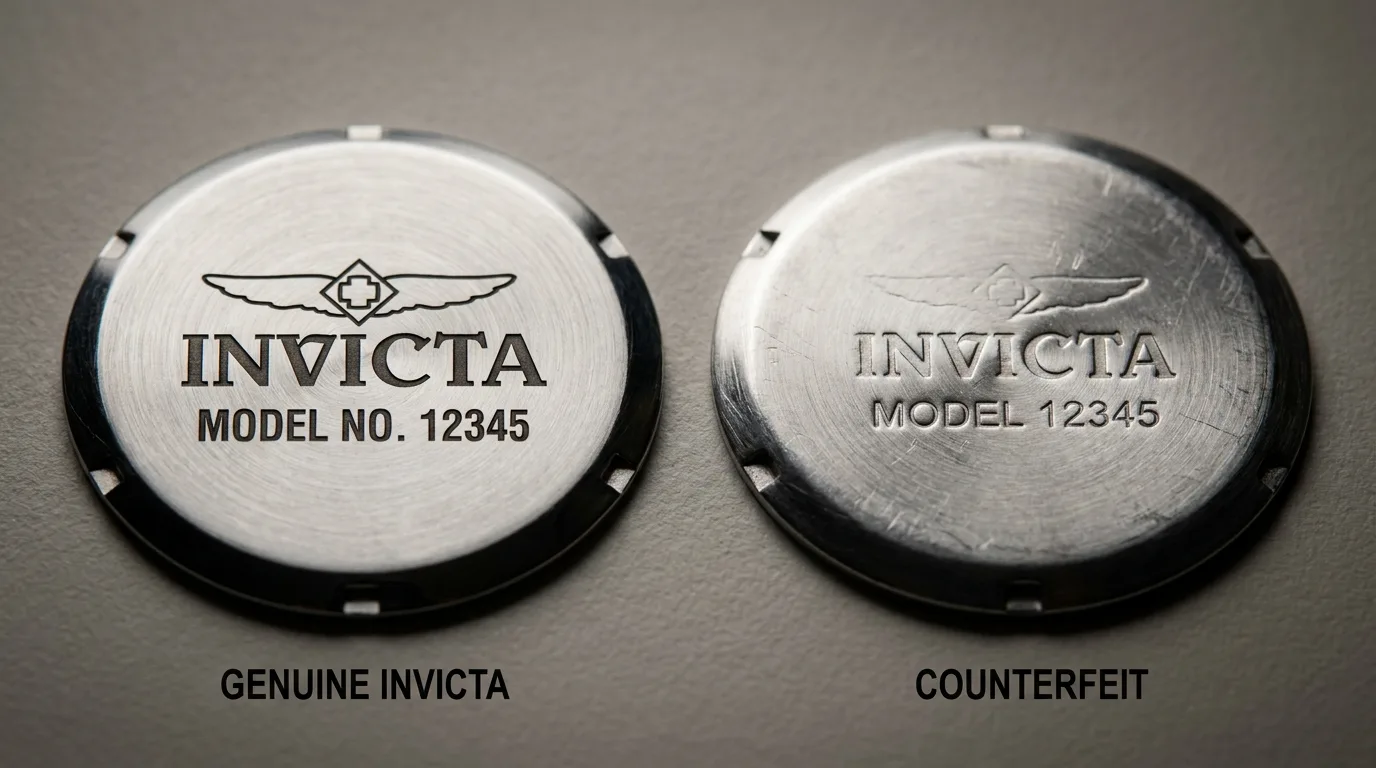
This is where fakes truly fall apart under close inspection. Take a close look at the Invicta logo and any other text engraved on the caseback, the crown (the winding knob), and the metal clasp of the bracelet. On an authentic watch, these markings are created using precise machinery, resulting in crisp, clean, and deep lines. The edges of the letters and logos are sharp. On a counterfeit, these same markings will often look blurry, shallow, and poorly defined. The text might seem 'soft' or as if it were crudely stamped into the metal rather than cleanly etched. Uneven spacing and misspellings are also common signs of a fake.
5. The Famous Yellow Box: Packaging and Paperwork
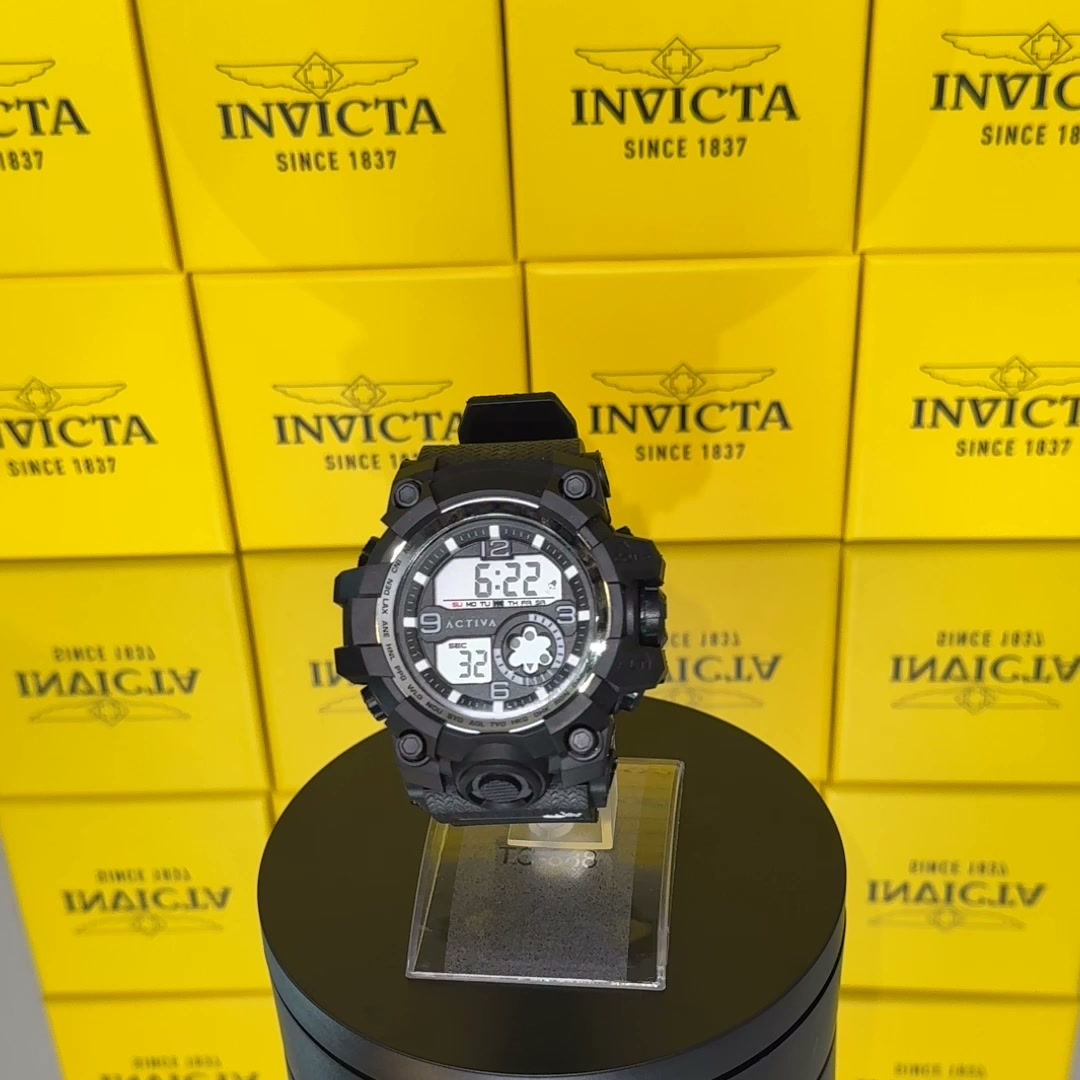
Don't just toss the box; it contains vital clues. An authentic Invicta watch comes in the brand's signature bright yellow box, which is sturdy, well-constructed, and feels substantial. Inside, you should find a warranty card, an instruction manual, and often a polishing cloth. The most critical element is the hang tag, which should have a model and serial number that precisely matches the numbers on the caseback of the watch itself. Counterfeits often ship in flimsy, off-color boxes, or just a plastic bag. The paperwork might be missing, be a generic photocopy, or feature serial numbers that don't match the watch. These discrepancies are a sure sign you're dealing with a fake.
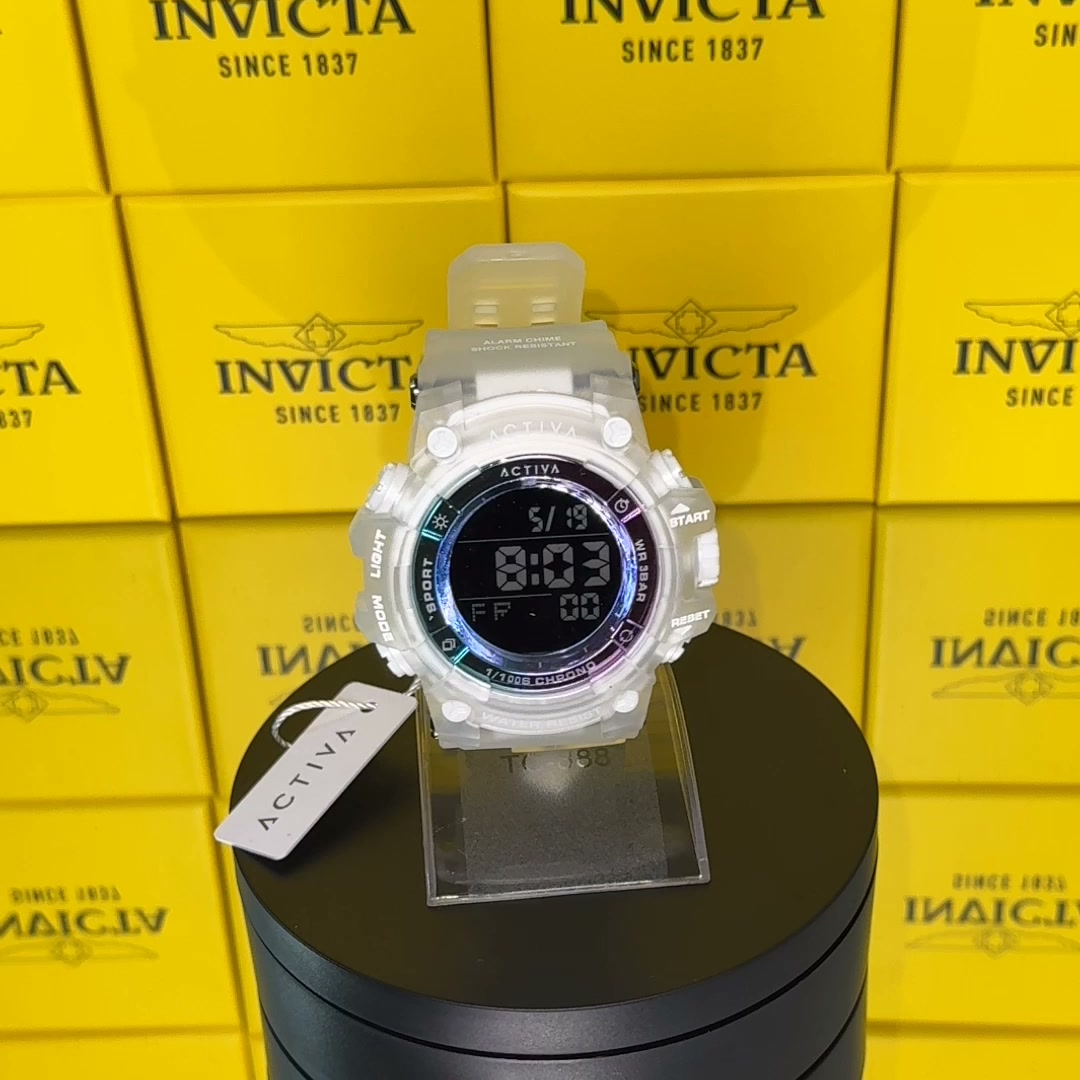
Discount Invicta's · Sold Out
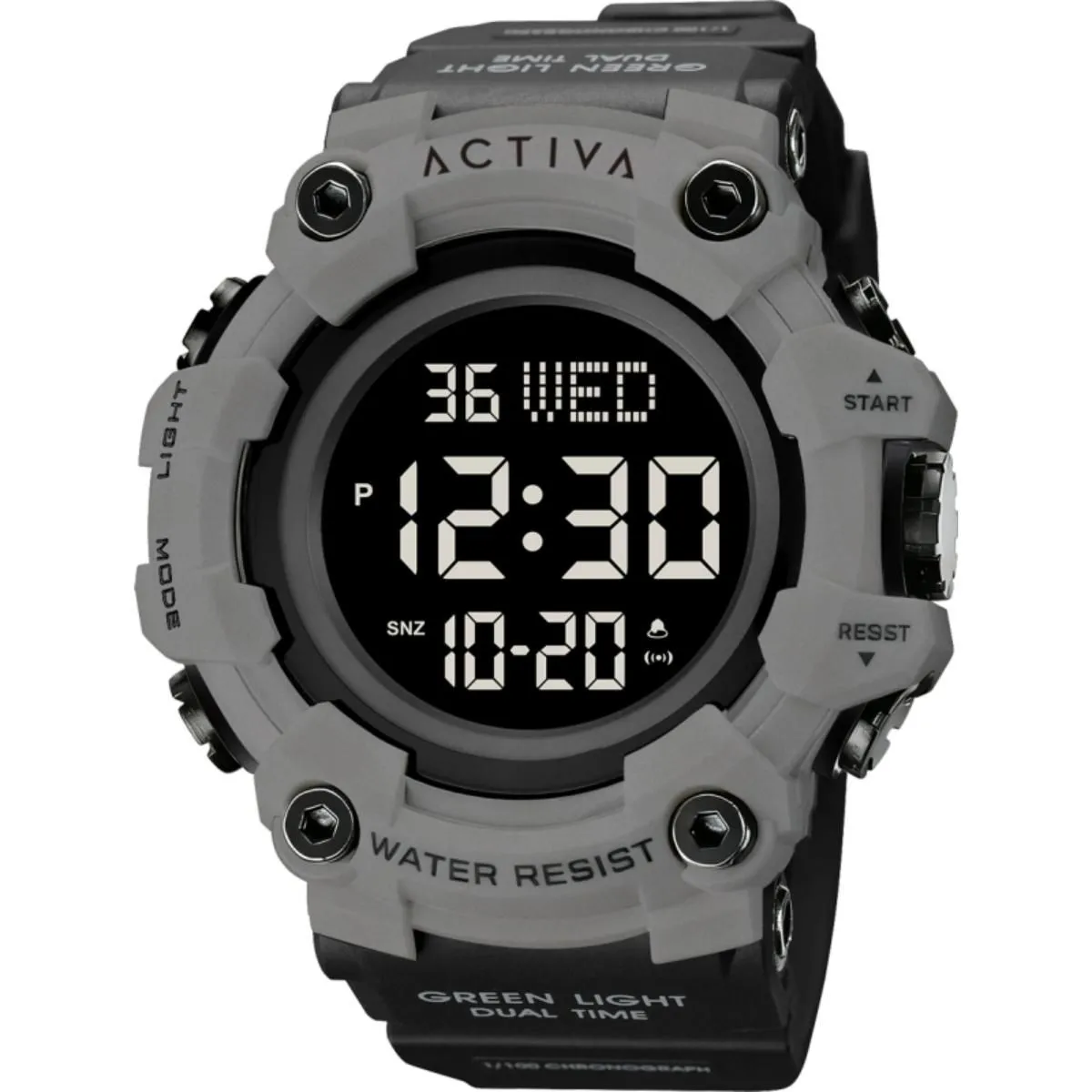
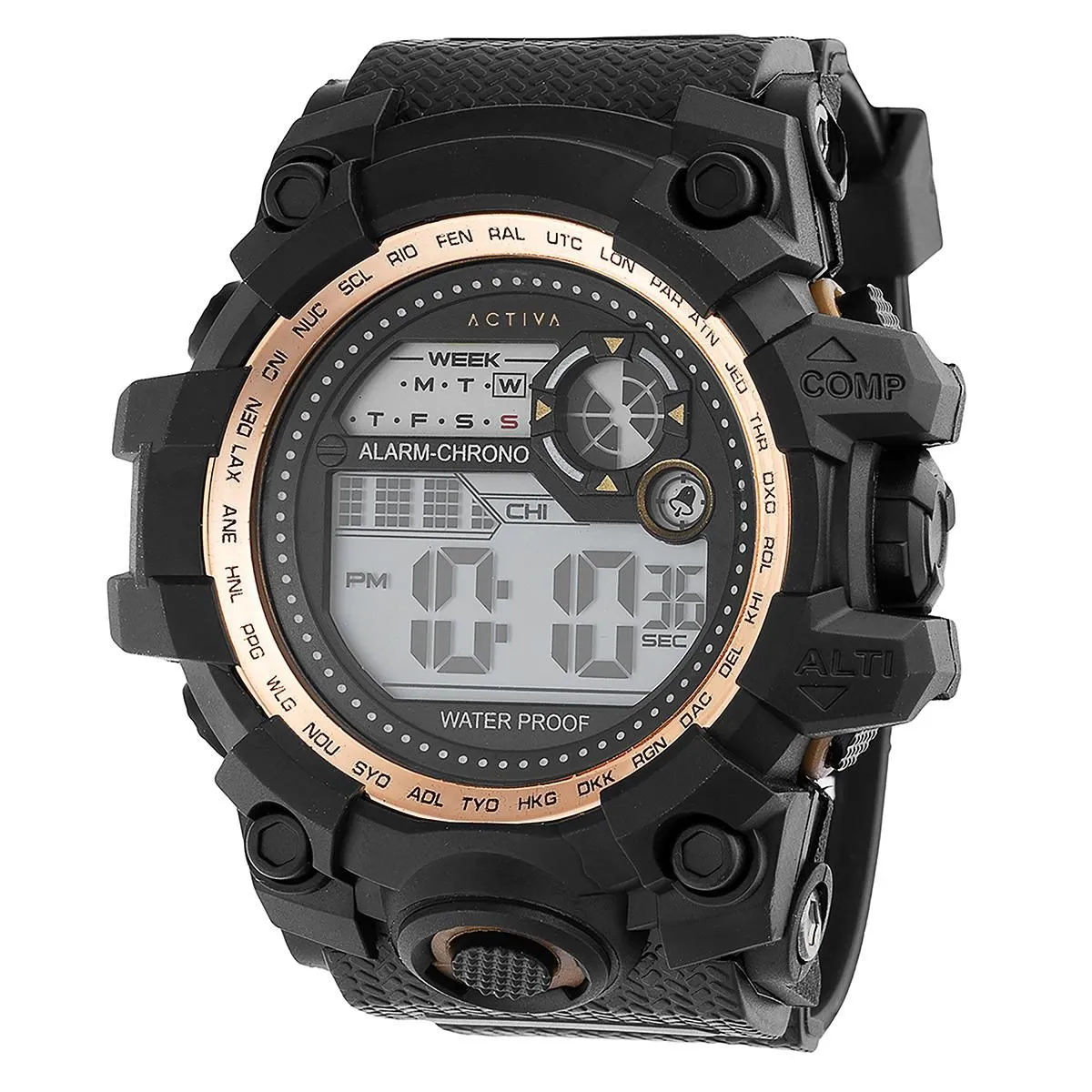
Invicta Activa Summit X Unisex Digital Watch - 50mm, White
The Safest Way to Get an Authentic Invicta
While these tips are incredibly effective, the counterfeit market is always trying to get better at deception. The single most effective way to guarantee you're buying a 100% authentic Invicta is to purchase it from a trusted and reputable source. As a Florida-based independent reseller, we take authentication seriously. We acquire our inventory from legitimate liquidation and overstock channels, and every single watch is meticulously inspected for authenticity and functionality before it's ever listed for sale. You get the real deal at an incredible discount, without the risk and guesswork of navigating shady third-party sellers on massive, unregulated platforms.
Don't let the fear of fakes stop you from owning a watch you love. Shop smart, know what to look for, and trust a source dedicated to delivering authentic Invicta value directly to you.